
- Most relevant
- Best selling
- Alphabetically, A-Z
- Alphabetically, Z-A
- Price, low to high
- Price, high to low
- Date, old to new
- Date, new to old
FiltersFilter & Sort
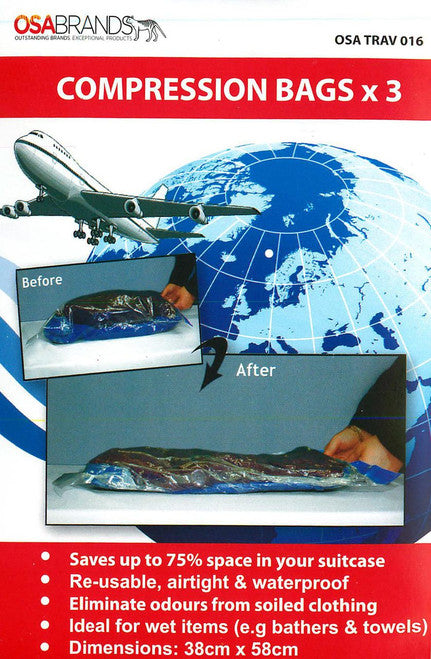
OSABrands Compression Bags, 3 pack
Regular price $23.95Unit price-
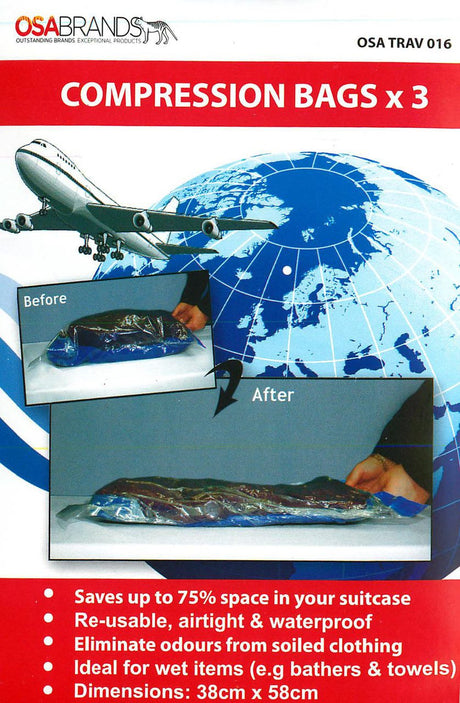
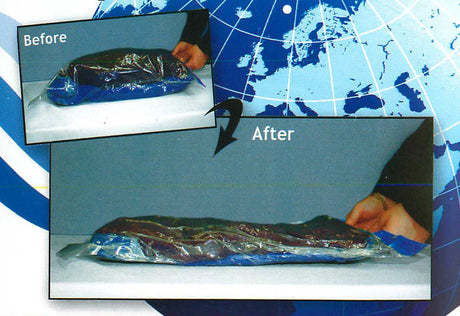

Compression Sacks – Pack Smaller, Travel Lighter
Compression sacks are the secret weapon of experienced travellers and campers. They compress bulky items — sleeping bags, down jackets, fleeces, and pillows — to a fraction of their normal size, freeing up critical space in your pack or suitcase. Unlike standard stuff sacks, compression sacks use straps or a roll-top closure to actively squeeze air out of the contents, reducing volume by up to 60%.
Travel Gear Australia stocks compression sacks from Sea to Summit — the Australian brand that pioneered ultralight compression technology. Shipped fast from our Charlestown NSW warehouse.
Compression Sack vs Dry Sack vs Stuff Sack – What’s the Difference?
| Type | Compresses? | Waterproof? | Best For |
|---|---|---|---|
| Compression Sack | Yes — up to 60% | Some models | Sleeping bags, down jackets, bulky clothing |
| Dry Sack | No | Yes | Electronics, documents, valuables in wet conditions |
| Stuff Sack | No | Some models | General gear organisation, lightweight storage |
What to Use Compression Sacks For
- Sleeping bags: The most common use — compress a bulky sleeping bag to fit inside a daypack or at the base of a hiking pack
- Down jackets & puffer vests: Compress to the size of a water bottle for easy packing in a carry-on bag
- Fleeces & mid-layers: Reduce bulk significantly when not being worn
- Travel pillows & blankets: Compress for storage in overhead lockers or at the bottom of a checked suitcase
- Wet or dirty clothing: Isolate and compress used clothing to keep it separate from clean gear
What to Look for in a Compression Sack
- Compression ratio: Look for sacks that reduce volume by at least 50% — Sea to Summit’s eVac range achieves up to 60%
- Waterproofing: eVENT® fabric compression dry sacks are both waterproof and breathable — air compresses out, water stays out
- Weight: Ultralight models add minimal weight to your pack — important for hikers counting every gram
- Size: Match the sack size to the item — too large and compression is ineffective; too small and you can’t fit the item in
- Closure type: Strap compression is fastest; roll-top closures offer better waterproofing
Frequently Asked Questions
Do compression sacks damage sleeping bags?
Long-term storage in a compression sack can damage down insulation over time. Use compression sacks for travel and active use, but store sleeping bags loosely in a large cotton bag at home to preserve loft.
What size compression sack do I need for a sleeping bag?
This depends on the sleeping bag’s fill weight and temperature rating. A 3-season down sleeping bag typically compresses to 4–8L in a compression sack. Check the product specifications for the compressed volume before buying.
Are compression sacks the same as vacuum bags?
No — vacuum bags require a vacuum cleaner to remove air and are designed for home storage. Compression sacks use manual straps or roll-top closures and are designed for travel and outdoor use. They’re lighter, more durable, and don’t require any equipment to use. For the full packing range, see our packing cubes and packing aids collection.